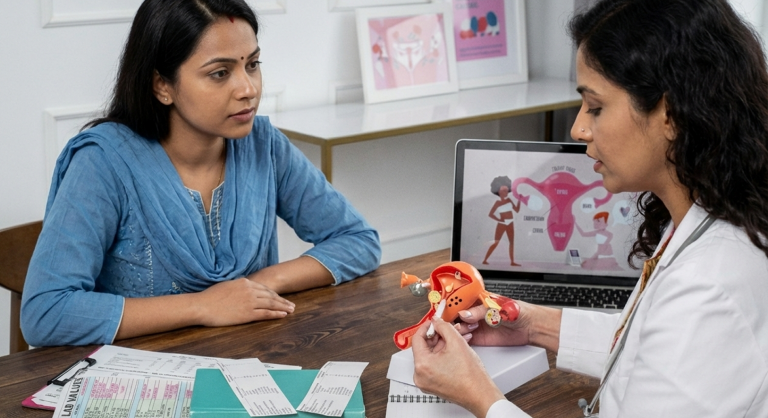



A few months ago, a young mother-to-be walked into my clinic with a mix of excitement and worry. As she entered her third trimester, her biggest concern echoed the thoughts of many expectant mothers: “Doctor, is a painless, normal delivery truly possible? I’ve heard mixed opinions, and I want to understand what’s best for me and my baby.”
Her question was genuine and heartfelt. Every woman dreams of welcoming her baby safely, ideally through a natural or normal delivery. Yet, the fear of pain can be overwhelming.
Today, modern obstetrics offers safe, medically supervised methods to reduce discomfort, giving rise to the concept of the painless normal delivery. This blog aims to help women understand the journey to a pain-free birth, explore how epidurals work, and look beyond them.
Understanding Labour Pain
Labour pain is a unique and powerful experience. To speak the science, it arises from rhythmic contractions of the uterus as it works to open the cervix and push the baby down the birth canal. The intensity varies for each woman and can be influenced by several factors such as pain threshold, baby’s position, duration of labour, and previous childbirth experiences.
While pain during labour is natural, the distress associated with it can sometimes affect a woman’s breathing, her ability to push effectively, and even her maternal heart rate. This is where the concept of painless delivery comes in. It is not to eliminate the process of labour but to ease a mother’s journey through it with medical support and comfort.
What is Painless Normal Delivery?
If you are not familiar with the concept, a painless normal delivery refers to a vaginal birth where labour pain is managed effectively using safe medical techniques, the most common being an epidural anaesthesia. As your gynaecologist, my goal isn’t to remove all sensations but to make labour significantly more comfortable while maintaining the natural and normal birthing process.
In other words, a painless delivery helps the mother stay alert, calm, and actively involved during childbirth, but without the intense pain that typically accompanies labour contractions.
What Is an Epidural?
An epidural is a form of regional anaesthesia administered into the lower back, specifically into the epidural space surrounding the spinal cord. It blocks pain signals from reaching the brain, allowing the mother to feel pressure and touch but significantly less pain.
This procedure is performed by an anaesthesiologist, often around the time active labour begins and contractions become regular and strong.
How an Epidural Works
Understanding the terms and how it works would reduce the anxiety involved with going through it. So, here’s how an epidural works!
- A small area of the lower back is cleaned and numbed with local anaesthetic.
- A thin catheter is carefully inserted into the epidural space through a fine needle.
- Anaesthetic medication is then administered through the catheter, either continuously or in measured doses.
- Within minutes, labour pain reduces significantly, giving the mother immense relief and control during the birthing process.
Benefits of Epidural Analgesia
If you’re wondering why we do it, it is for the following reasons.
- Significantly reduces labour pain, making it more manageable.
- Helps mothers remain relaxed and less fatigued during lengthy deliveries.
- Allows women to stay awake and alert throughout the process.
- It can be adjusted or stopped at any time if stronger pushing sensations are needed.
- A safe and widely used method under the supervision of anaesthesiologists and obstetric teams.
Common Concerns about Epidurals
There are many misconceptions and misunderstandings around the word Epidural. In fact, I’ve had multiple to-be mothers tell me that under no circumstances should they be given epidurals, and the root of this is often the myths surrounding it. It is natural for women and families to have concerns about it.
Here are some clarifications drawn from my clinical experience:
- Does an epidural slow down labour? In some cases, early administration can temporarily ease contractions, but ongoing monitoring ensures labour progresses steadily.
- Can I still push normally? Yes. You may initially feel numbness, but sensation is gradually allowed to return when needed for effective pushing.
- Does it harm the baby? No. The medication acts locally and does not enter the baby’s bloodstream in any significant amount.
- Can it cause long-term back pain? Occasionally, women may experience mild soreness at the injection site, but persistent back pain is usually related to posture or strain, not the epidural itself.
Beyond Epidurals: Other Ways to Experience a Painless Delivery
Another common question that I have come across in my career is whether there are alternatives to epidurals. While epidurals are the most common method for painless normal delivery, they are not the only option. Depending on the individual’s health, pain tolerance, and birthing preferences, other approaches can also support a more comfortable labour. Here are some of them!
Breathing and Relaxation Techniques
Deep breathing exercises and guided relaxation help manage anxiety and maintain a steady oxygen supply to both mother and baby. Techniques such as paced breathing and meditation during contractions can make a meaningful difference.
Hydrotherapy
Warm water immersion or labouring in a water bath can soothe muscles and reduce the perception of pain while promoting relaxation.
Positioning and Movement
Changing positions, walking during early labour, or using birthing balls can improve pelvic flexibility and help the baby descend smoothly.
Nitrous Oxide (Laughing Gas)
This mild pain-relief option, inhaled through a mask during contractions, helps reduce pain perception without affecting mobility or alertness.
Transcutaneous Electrical Nerve Stimulation (TENS)
A device placed on the back sends mild electrical impulses that interrupt pain signals, offering natural relief to some women during early labour.
Supportive Environment
Emotional support from the birthing partner, midwife, or doula often has a profound impact on pain perception. Calm surroundings and empathetic medical care make the process feel less intimidating.
Deciding Whether a Painless Normal Delivery is Right for You
As I always say and believe, every pregnancy and labour experience is unique. The decision to opt for a painless delivery using an epidural or other techniques depends on multiple factors, including your medical history, current pregnancy health, pain tolerance, and labour progression.
Before delivery, your gynaecologist and anaesthesiologist will guide you through the process, explaining the benefits, possible side effects, and any contraindications specific to your condition.
Open discussions help you make informed choices about what’s best for you and your baby.
Possible Side Effects or Limitations
“Are epidurals safe?”. The short answer is, YES.
However, while epidurals are remarkably safe, a few mild effects can occasionally occur:
- Temporary drop in blood pressure, which is monitored and managed promptly.
- Slight soreness at the insertion site for a day or two.
- Temporary difficulty in emptying the bladder, requiring minor assistance.
- Rarely, incomplete pain relief that may require adjustment of the catheter.
Every obstetric team continually monitors maternal health, foetal heart rate, and vital signs throughout labour, ensuring that both mother and baby remain well supported.
Over the years, I’ve seen the fear of pain evolve into empowerment when women understand their options clearly. A painless normal delivery is not about avoiding labour altogether. It’s about using science and care together to make the experience less daunting and more fulfilling.
Many women have expressed joy after childbirth, realising that the reduced pain allowed them to focus more on the miraculous moment of bringing their baby into the world rather than the strain of enduring contractions. That emotional readiness makes recovery smoother and postpartum bonding stronger.
Preparing Ahead for a Comfortable Labour
If you are anxious about pregnancy, one foolproof method to deal with it is to be prepared. In my opinion, proper preparation helps ease anxiety and boosts confidence. A few practical steps include:
- Attending antenatal classes that explain labour stages and pain-relief options.
- Staying physically active with approved prenatal exercises and yoga.
- Eating a balanced diet and staying well hydrated.
- Discussing pain management preferences with your obstetrician well in advance.
- Having an open birth plan but remaining flexible to medical guidance during labour.
Lifestyle Support After Delivery
The journey of pregnancy doesn’t end with delivery. After childbirth, gentle postnatal recovery and self-care matter immensely. Rest, nutrition, gradual physical activity, and open communication with your doctor help ensure a healthy transition from birth to motherhood.
In fact, many women who underwent painless deliveries have commented to me later that they found their recovery easier and less exhausting, leading to a quicker return to normal routines.
A Doctor’s Closing Perspective
Childbirth remains one of the most profound life experiences a woman undergoes. My message to every expectant mother is simple: do not fear labour pain. Medicine today gives us safe, scientifically backed tools to ease your journey, whether through an epidural or other comfort measures.
After all, you have to understand that a painless, normal delivery is not a luxury. It is a compassionate approach to help mothers experience childbirth with confidence and calm.
As a gynaecologist, I’ve witnessed how informed choices and supportive care transform anxiety into joy. With proper preparation, an experienced team, and emotional readiness, the journey to a pain-free birth can indeed be as rewarding as the destination. Got more concerns or questions? Reach out to me now!
Frequently Asked Questions
1. What is a painless normal delivery?
A painless normal delivery refers to a vaginal birth assisted by methods such as epidural anaesthesia that reduce labour pain while allowing the mother to stay alert and active.
2. Is a painless delivery completely pain-free?
Not entirely. You may still feel pressure or mild sensations, but the intense, distressing pain is greatly reduced.
3. When can I take an epidural?
Epidurals are usually administered once active labour begins and contractions become regular, typically when the cervix is dilated around 4–5 centimetres.
4. Can I have a normal delivery without an epidural?
Yes. Many women manage labour effectively through breathing exercises, hydrotherapy, movement, or lighter forms of analgesia. It depends entirely on comfort and clinical suitability.
5. Does an epidural affect the baby?
No, epidural medication acts locally and is very unlikely to affect the baby, as it doesn’t cross into the bloodstream significantly.
6. Will I be able to walk after an epidural?
You may feel temporary numbness in your legs. Once the medication wears off, normal movement returns within a few hours.
7. Can I plan for a painless, normal delivery in advance?
Yes. Speak to your obstetrician during your third trimester to discuss your preferences, hospital facilities, and medical considerations for a painless delivery.