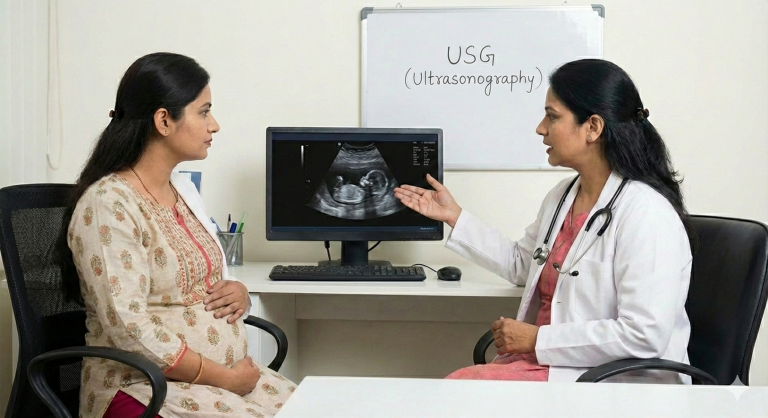




Introduction: A Patient’s Common Question
“I don’t know how to pick the right doctor”
“What is an obstetrician?”
“But why do I need an obstetrician-gynaecologist?”
These questions are common among women going through pregnancy. Also, making the decision of which doctor to go with is personal and complex. Sometimes, the symptoms can be worrying, diagnoses can be confusing, and treatment options can be overwhelming.
Over the years, as an obstetrician-gynaecologist, I’ve met countless women who come to me feeling uncertain and sometimes scared about their health decisions. That’s why I, Dr Ashima Gulia, an experienced obstetrician-gynaecologist, believe it’s so important to share not just facts, but my personal understanding of what makes a great doctor-patient relationship. I want you to feel like you’re not alone, and that there’s a path forward grounded in compassion and trust. This blog is my guide to help you feel confident and supported in choosing your own obstetrician and gynaecologist.
What Is An Obstetrician? Who Is An Obstetrician? What Is An Obstetrician-Gynaecologist?
It is important to understand the meanings of these terms. So first, let’s define and understand what these terms mean:
- What is an obstetrician? An obstetrician is a medical doctor specialised in pregnancy, childbirth, and the weeks following delivery.
- Who is an obstetrician? They are professionals trained to manage normal pregnancies as well as complications during labour and delivery.
- What is an obstetrician-gynaecologist? This dual-trained specialist combines obstetrics with gynaecology, managing not just pregnancy-related care but also women’s reproductive health in general.
In short, having a skilled obstetrician-gynaecologist means having someone who can provide you with comprehensive care tailored to all stages of womanhood.
What Is the Difference Between an Obstetrician and a Gynaecologist?
Patients often ask me, “Doctor, what exactly is the difference between an obstetrician and a gynaecologist?”. In fact, knowing these differences not only helps you understand the concepts better but also helps you make better decisions.
- Obstetricians primarily focus on pregnancy and childbirth.
- Gynaecologists handle non-pregnancy reproductive health issues like menstruation, infections, fertility problems, and menopausal care.
- Most doctors with dual training operate as obstetrician-gynaecologists, offering integrated, well-rounded care.
Symptoms That Should Prompt a Visit to Your Obstetrician Gynaecologist
Women often ignore their symptoms until they get worse. As an obstetrician-gynaecologist working in this field for over 15 years, this is a common practice I have observed in women. If you ask me, when it comes to health, you have to be proactive.
You should never ignore the following symptoms:
- Irregular, heavy, or painful menstrual cycles
- Persistent pelvic or abdominal pain
- Unexpected vaginal bleeding or unusual discharge
- Infertility or difficulty conceiving
- Pregnancy-related concerns or complications
- Symptoms of menopause, such as hot flashes or mood swings
The reason why I said you have to be proactive is because early consultation supports timely diagnosis and effective treatment.
Treatment and Management Options
You might already know that treatments can vary from person to person. You can expect your specialist to recommend treatments based on individual circumstances. However, below are some usual treatment methods so that you would know what to expect:
- Hormonal therapies to regulate cycles or alleviate menopausal symptoms
- Surgical options, including minimally invasive procedures for cysts, fibroids, or endometriosis
- Prenatal management ensuring maternal and fetal health
- Fertility counselling and assisted reproductive technologies
- Lifestyle advice to complement medical treatment and support wellness
Essential Factors to Consider When Choosing Your Specialist
Now, coming to the main concern. How to select the right doctor. In my opinion, here are the things that matter most.
- Professional credentials: Ensure board certification and adequate experience.
- Communication: Choose someone who listens attentively, explains clearly, and respects your concerns.
- Hospital affiliation: Proximity and quality of hospitals linked with your doctor matter for emergency care.
- Recommendations: Seek trusted opinions from friends, family, or other healthcare providers.
- Accessibility: Consider appointment availability and ease of contact, especially for urgent concerns.
Patient Rights and Responsibilities
As a patient, you have rights. Understanding these rights empowers you. You should know that the following rights are non-negotiable. If you feel like any of the following are not met, you are not at the right place.
- Right to respectful and compassionate care
- Right to receive understandable information about your health and treatment options
- Right to express preferences and refuse treatment if desired after informed advice
- Responsibility to provide accurate health information and follow prescribed treatment plans
- Commitment to timely attendance and honest communication with your care provider
After all, it is the mutual respect that leads to better outcomes and trust.
Preparing for Your First Appointment
In my experience, it is always better to be prepared. When you are going for your first appointment, try to keep the following points in mind.
- Note symptoms precisely, including duration and severity
- Prepare a list of current medications and allergies
- Jot down specific questions or worries
- Take notes during the discussion or bring a trusted companion
- Don’t hesitate to ask for clarification to fully understand the diagnosis and treatment
Emotional Support and Holistic Wellness
You should know that it’s natural to feel anxious or vulnerable during gynaecological care. A compassionate obstetrician-gynaecologist provides not just medical management but emotional support and guidance through transitions like pregnancy or menopause. I believe wellness extends beyond clinical treatment. It is also about nutrition, mental health, exercise, and stress management.
Lifestyle Tips to Complement Medical Care
Apart from all these, ultimately, good health is a partnership. So, here are some lifestyle tips to support your reproductive wellness:
- Balanced diet rich in fibre, vitamins, and hydration
- Regular, moderate exercise, adapted to your condition
- Stress reduction through mindfulness, yoga, or therapy
- Adequate sleep and rest
- Avoidance of harmful substances like tobacco and excessive alcohol
When Should You Seek A Second Opinion?
Having doubts or unresolved questions? Seeking a second opinion is your right and often clarifies options. It can ensure confidence in treatment decisions and broaden your understanding.
Personal Perspective
As your obstetrician-gynaecologist, I believe in partnership. Your health journey is unique, and my role is to offer clear, evidence-based guidance woven with empathy. Don’t hesitate to voice your fears or questions. It is your peace of mind that matters as much as your physical care. Together, we can navigate symptoms, diagnoses, and treatments to promote your best health.
Remember, you’re not alone. Seeking proper, compassionate care is a courageous and critical step toward well-being.
FAQs
- What is an obstetrician?
A specialist doctor managing pregnancy, childbirth, and postnatal care.
- Who is an obstetrician?
A trained physician focusing on maternal health during pregnancy and delivery.
- What is an obstetrician-gynaecologist?
A dual-trained doctor offering comprehensive women’s reproductive health care.
- When should I visit an obstetrician-gynaecologist?
For menstrual irregularities, pelvic pain, fertility issues, pregnancy concerns, or menopause symptoms.
- How do I find the right specialist?
Check credentials, communication style, hospital affiliations, referrals, and accessibility.